The evolution of basketball training equipment reflects technological progress, innovation in training methods, and the ongoing pursuit of enhancing athletes' performance. Here are key stages in the development of basketball training equipment:
Early Training Equipment
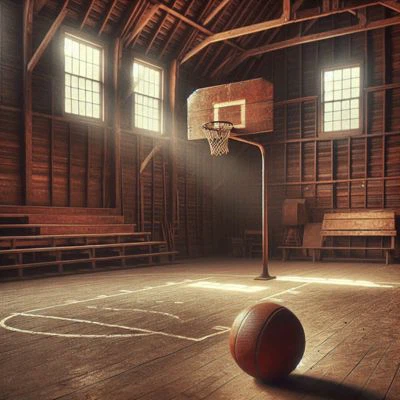
In the early 20th century, basketball training equipment was very basic. Athletes primarily relied on the ball and hoop for fundamental drills such as shooting, passing, and dribbling. Physical conditioning often didn't involve specialized basketball equipment but utilized traditional gym apparatus like dumbbells, tracks, and high jump bars.
Mid-Stage Developments
As basketball gained popularity, the demand for more specialized training equipment drove manufacturers to develop professional-grade products. By the mid-20th century, basketball training equipment began to diversify:
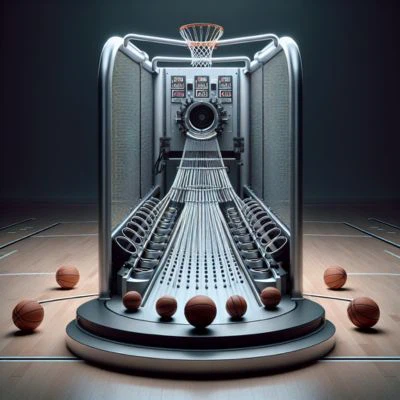
Shooting Machines: To increase shooting efficiency, automatic rebounding machines were invented to return the ball to the shooter.
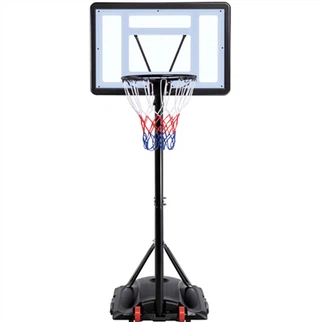
Adjustable Basketball Hoops: Adjustable hoops emerged, allowing athletes of different ages and skill levels to train effectively.
Resistance Training Equipment: Resistance bands and parachutes were introduced to enhance athletes' explosiveness and speed.
Modern Training Technologies
Entering the 21st century, basketball training equipment embraced a technological revolution:
Sensors and Analytic Devices: Advances in sports science led to the widespread use of sensors and video analysis tools in basketball training, helping coaches and athletes analyze shooting form, jumping technique, and more.
Virtual Reality (VR): VR technology began to be used to simulate game scenarios, providing an environment for decision-making training for athletes.
Mobile Applications: Various basketball training apps allow athletes and coaches to record training data, track progress, and offer personalized training programs.
Smart Basketballs: Smart basketballs equipped with sensors can analyze the force, spin, and trajectory of shots.
Future Trends
With continual technological advancements, the future development of basketball training equipment may include:
Internet of Things (IoT): Basketball training devices could become interconnected through the internet, providing real-time data analysis and feedback.
Artificial Intelligence (AI): AI could be utilized to create personalized training programs and analyze athletes' performances through machine learning.
Augmented Reality (AR): AR technology might be integrated with on-court training to offer athletes interactive skill-training experiences.
Overall, the trajectory of basketball training equipment is one of constant innovation and adaptation to new technologies, aimed at improving training efficiency, enhancing player skills, and boosting game performance. As technology advances, future training devices are expected to become more intelligent and personalized, helping basketball athletes and coaches reach new heights.