Baseball, a sport steeped in tradition, has seen its training equipment evolve over time to meet the demands for skill enhancement, safety, and convenience. Here are some pivotal developments in baseball training equipment:
Early Training Tools
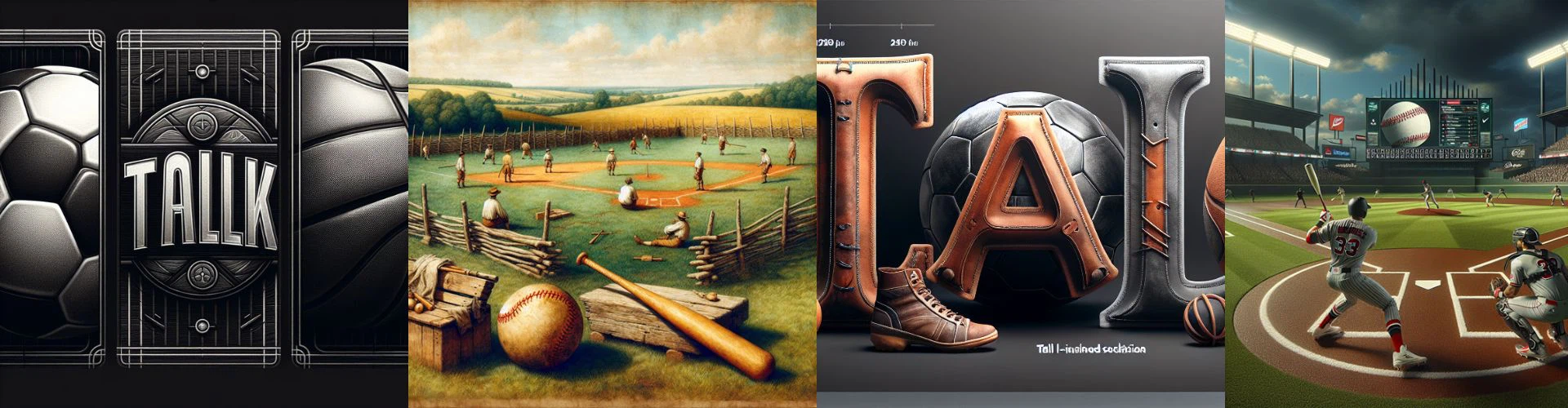
In the early days of baseball, training tools were rudimentary. Players often made do with what was at hand, such as using wooden boards for batting practice or simple hand-stitched balls and wooden bats.
The Pitching Machine
A significant invention in baseball training is the pitching machine. The earliest models appeared in the late 19th century and were mechanical, using springs and levers to launch the ball. With technological advancements, electric pitching machines became widespread in the mid-20th century, capable of throwing pitches at various speeds and angles to better simulate a pitcher's throw.

Batting Cages and Mats
The introduction of batting cages allowed players to practice their swings in an enclosed or semi-enclosed space without worrying about chasing stray balls. Batting mats provided a realistic batting surface while reducing the impact on both the bat and the player's hands.
Training and Safety Balls
With an increased focus on sports safety, the nature of training balls evolved. Manufacturers began producing softer balls and reduced-impact balls to lower the risk of injury during practice. These balls typically maintain a look and feel similar to standard baseballs but are less likely to cause serious injury upon impact.
Evolution of Protective Gear

Early baseball protective gear was very basic, but over time, it has become lighter, more comfortable, and offers better protection. For example, catchers' gear now includes more advanced helmets, chest protectors, and leg guards.
Integration of Electronic Technology
In the 21st century, baseball training equipment began to integrate electronic technology. High-speed cameras, radar guns, and sensors can analyze pitch speed, spin rate, and batting velocity. These technologies provide precise feedback, helping players and coaches to evaluate and improve techniques.
Virtual Reality and Simulation Technology
The introduction of Virtual Reality (VR) and simulators has provided players with training methods that emulate real game environments. Players can practice batting without an actual pitcher and use such technology to simulate specific pitchers' styles and speeds.
Mobile Apps and Online Platforms
With the widespread adoption of smartphones and internet technology, mobile apps and online training platforms have also been utilized in baseball training. Players can receive remote coaching through these tools, analyze their performance, and even compare their data with other players.
Sustainability
Sustainability has also become a consideration in materials and manufacturing processes. Eco-friendly materials and more efficient production processes are being used to reduce environmental impact.
Overall, the development of baseball training equipment reflects trends in technological advancement, heightened safety awareness, and the pursuit of efficiency. As technology continues to progress, we can anticipate the arrival of even more intelligent and personalized training tools to meet the needs of athletes and coaches.